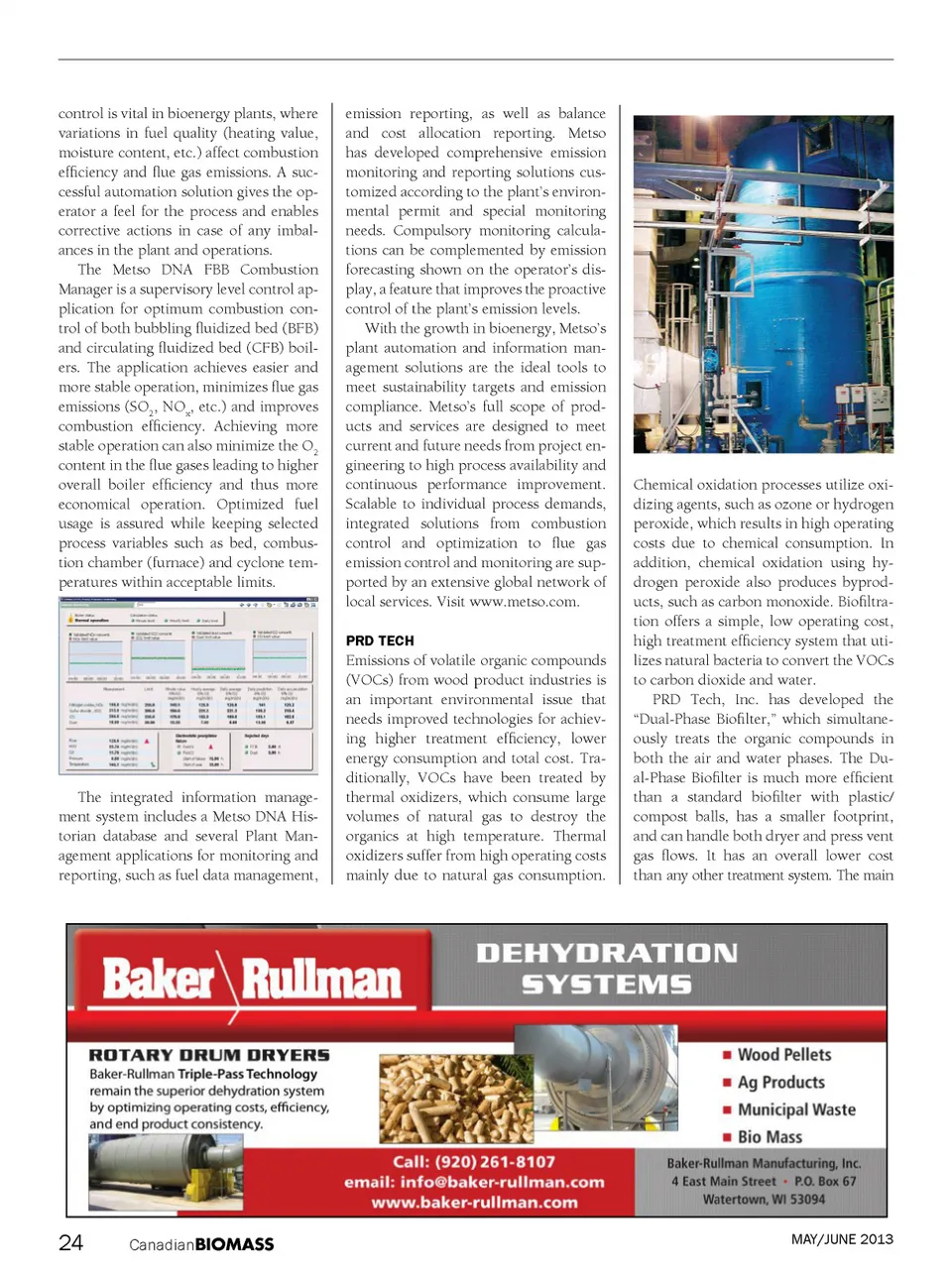
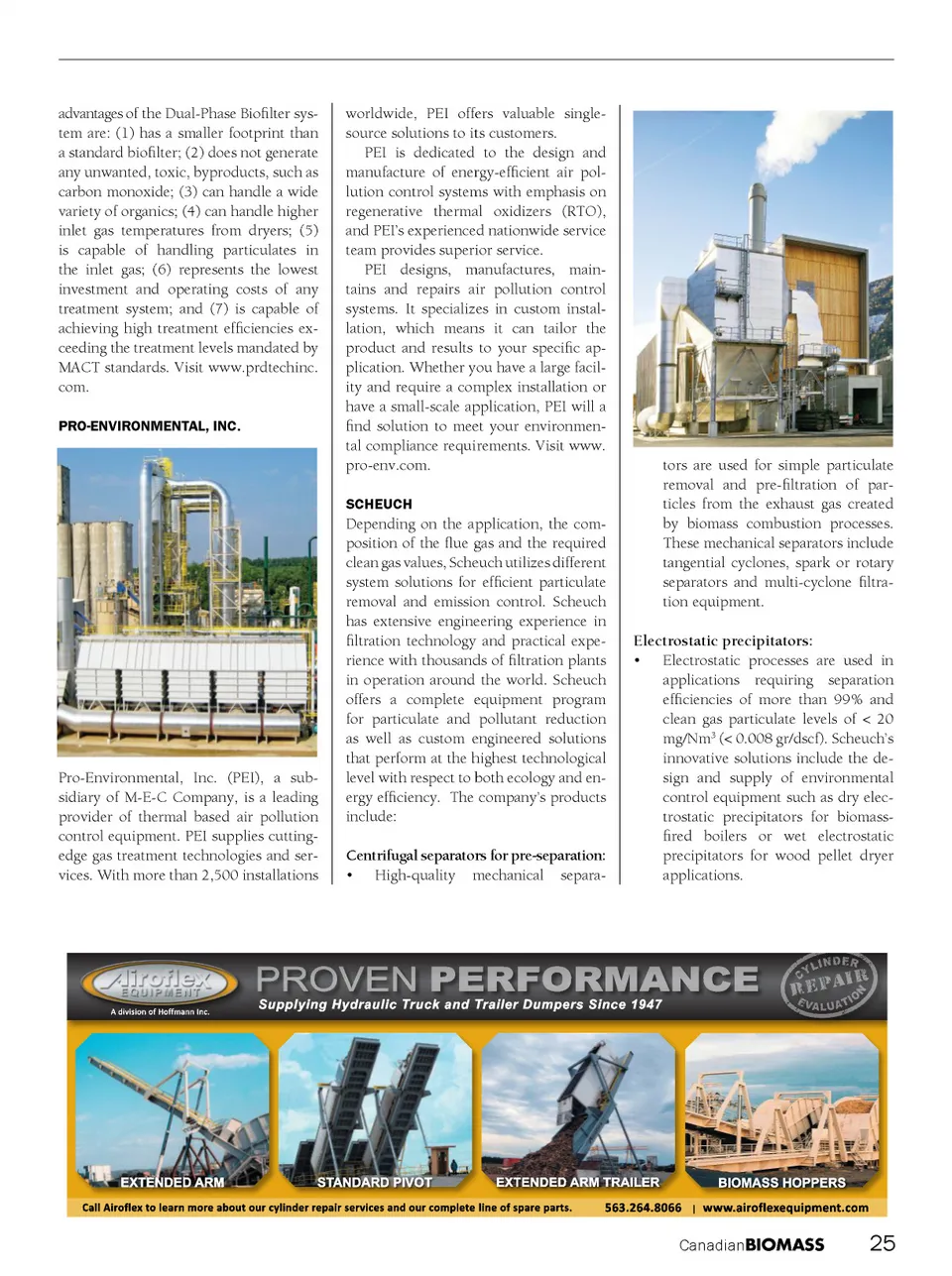
control is vital in bioenergy plants, where variations in fuel quality (heating value, moisture content, etc.) affect combustion efficiency and flue gas emissions. A suc-cessful automation solution gives the op-erator a feel for the process and enables corrective actions in case of any imbal-ances in the plant and operations. The Metso DNA FBB Combustion Manager is a supervisory level control ap-plication for optimum combustion con-trol of both bubbling fluidized bed (BFB) and circulating fluidized bed (CFB) boil-ers. The application achieves easier and more stable operation, minimizes flue gas emissions (SO 2 , NO x , etc.) and improves combustion efficiency. Achieving more stable operation can also minimize the O 2 content in the flue gases leading to higher overall boiler efficiency and thus more economical operation. Optimized fuel usage is assured while keeping selected process variables such as bed, combus-tion chamber (furnace) and cyclone tem-peratures within acceptable limits. emission reporting, as well as balance and cost allocation reporting. Metso has developed comprehensive emission monitoring and reporting solutions cus-tomized according to the plant’s environ-mental permit and special monitoring needs. Compulsory monitoring calcula-tions can be complemented by emission forecasting shown on the operator’s dis-play, a feature that improves the proactive control of the plant’s emission levels. With the growth in bioenergy, Metso’s plant automation and information man-agement solutions are the ideal tools to meet sustainability targets and emission compliance. Metso’s full scope of prod-ucts and services are designed to meet current and future needs from project en-gineering to high process availability and continuous performance improvement. Scalable to individual process demands, integrated solutions from combustion control and optimization to flue gas emission control and monitoring are sup-ported by an extensive global network of local services. Visit www.metso.com. Prd teCh The integrated information manage-ment system includes a Metso DNA His-torian database and several Plant Man-agement applications for monitoring and reporting, such as fuel data management, Emissions of volatile organic compounds (VOCs) from wood product industries is an important environmental issue that needs improved technologies for achiev-ing higher treatment efficiency, lower energy consumption and total cost. Tra-ditionally, VOCs have been treated by thermal oxidizers, which consume large volumes of natural gas to destroy the organics at high temperature. Thermal oxidizers suffer from high operating costs mainly due to natural gas consumption. Chemical oxidation processes utilize oxi-dizing agents, such as ozone or hydrogen peroxide, which results in high operating costs due to chemical consumption. In addition, chemical oxidation using hy-drogen peroxide also produces byprod-ucts, such as carbon monoxide. Biofiltra-tion offers a simple, low operating cost, high treatment efficiency system that uti-lizes natural bacteria to convert the VOCs to carbon dioxide and water. PRD Tech, Inc. has developed the “Dual-Phase Biofilter,” which simultane-ously treats the organic compounds in both the air and water phases. The Du-al-Phase Biofilter is much more efficient than a standard biofilter with plastic/ compost balls, has a smaller footprint, and can handle both dryer and press vent gas flows. It has an overall lower cost than any other treatment system. The main 24 Canadian BIOMASS MAY/JUNE 2013
Canadian Biomass May/June 2013: Page 24